
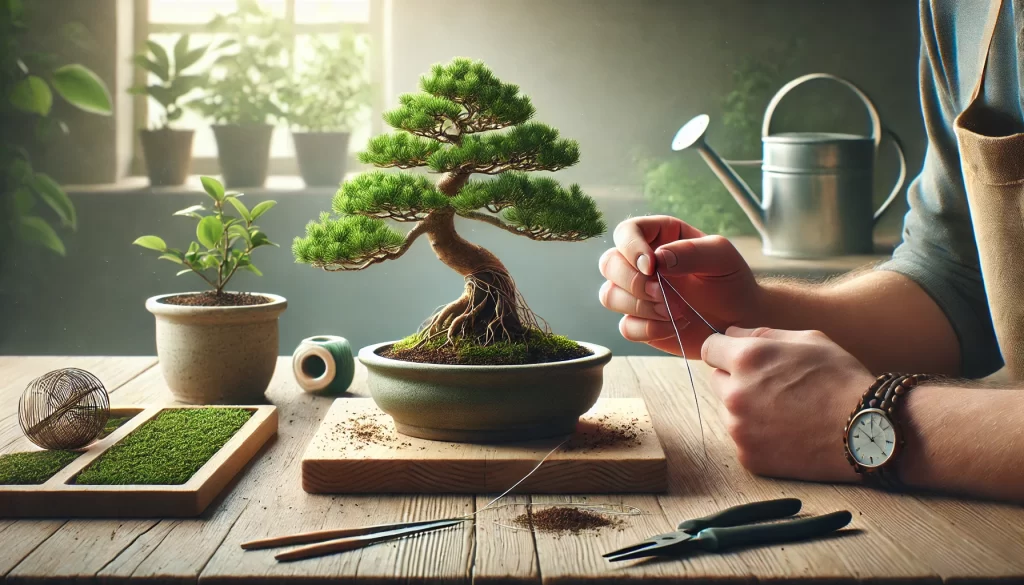
Creating a bonsai tree from scratch is one of the most rewarding journeys a plant enthusiast can take. It’s not just about growing a miniature tree—it’s about developing patience, artistic vision, and a lifelong connection with nature. Whether you’re starting with a seed, a sapling, or a nursery plant, learning how to create a bonsai tree from scratch gives you the opportunity to shape a living masterpiece with your own hands.
This beginner-friendly guide will walk you through each step of the process—from selecting the right plant to training, pruning, and styling your future bonsai.
🌱 What Is a Bonsai Tree, Really?
Before diving in, it’s essential to understand that bonsai isn’t a species—it’s a technique. Bonsai is the art of cultivating miniature trees in shallow containers, maintaining their full-size appearance while limiting their size through pruning and root control.
✅ Any tree or woody shrub with small leaves and a strong root system can become a bonsai.
✅ What makes it special is the intention, design, and care applied over time.
🔍 Step 1: Choose the Right Plant Material
To create a bonsai from scratch, you need a healthy starting point. You have three main options:
🌱 Option 1: Start from Seed (Misho)
- Ideal for long-term projects (5–10+ years)
- Allows total control over shape and structure
- Requires patience and skill
🌿 Option 2: Use a Young Sapling (Nehagari)
- Common for beginners
- Found at nurseries or garden centers
- Offers a head start (2–4 years old)
🌳 Option 3: Collect from Nature (Yamadori)
- Best for intermediate growers
- Involves finding a mature wild tree with potential
- Requires permission and special aftercare
📌 For beginners, starting with a young sapling from a nursery is the most practical option.
🪴 Step 2: Prepare the Right Tools and Setup
Before you begin shaping, gather the basic tools needed for bonsai training:
- ✅ Bonsai pruning shears
- ✅ Concave cutters
- ✅ Chopstick or root rake
- ✅ Bonsai wire (aluminum or copper)
- ✅ Bonsai soil mix
- ✅ Shallow training pot or plastic container
- ✅ Drainage mesh
- ✅ Watering can with fine nozzle
Also, choose a well-lit location with indirect sunlight and protection from wind or intense heat.
✂️ Step 3: Initial Pruning and Styling
Once you have your starter tree, it’s time to begin the transformation process.
📌 Remove Unnecessary Branches
- Cut off weak, dead, or inward-facing branches
- Establish the primary trunk line and shape
📌 Choose the Bonsai Front
- Find the angle with the most appealing trunk line
- Consider root spread (nebari), movement, and taper
📌 Select a Style
Choose a style that fits the tree’s natural form:
- Formal Upright – strong, symmetrical
- Informal Upright – gentle curves
- Cascade – downward-growing branches
- Slanting – leaning trunk
- Windswept – all branches flowing in one direction
🔄 Step 4: Wiring the Branches
Wiring helps you guide the growth of branches and structure your tree over time.
✅ How to Wire Properly:
- Use aluminum wire for beginners (easy to bend)
- Anchor the wire around the trunk and wrap at 45° angles
- Bend branches gently into position
- Monitor regularly—remove before wire bites into bark
⚠️ Only wire healthy branches. Never over-bend or twist forcefully.
🪨 Step 5: Repotting and Root Pruning
Once the structure is established, it’s time to focus on the roots.
📌 When to Repot:
- After the first growing season (spring is best)
- If roots circle the bottom or pot becomes compacted
🧤 Root Pruning Basics:
- Remove no more than 1/3 of the roots
- Use sharp, clean tools
- Rinse roots gently and place in fresh bonsai soil
- Secure with wire if needed
✅ Choose a training pot that’s shallow and has proper drainage. Avoid decorative pots during this stage.
☀️ Step 6: Ongoing Care and Development
Creating a bonsai is not a one-time task—it’s an evolving art.
🌿 Daily and Seasonal Maintenance:
- Water regularly, adjusting for weather and soil type
- Fertilize during active growing seasons (spring/summer)
- Prune new growth to maintain form
- Rotate the tree occasionally for even light exposure
🧪 Monitor Tree Health:
- Check leaves for pests or discoloration
- Watch for signs of overwatering or dry soil
- Keep a bonsai care log or journal
📌 Your bonsai’s shape will evolve year after year. Accept and embrace its changes.
🎯 Quick Timeline: Bonsai Development from Scratch
| Timeframe | Milestone |
|---|---|
| 0–6 months | Initial pruning and wiring |
| 6–12 months | First repot and styling adjustments |
| 1–2 years | Branch development, root pruning |
| 2–5 years | Fine shaping, styling refinement |
| 5+ years | Maturity and pot transition |
Bonsai creation is a slow art, but every year adds depth and beauty to the tree’s story.
✅ Tips for Success as a Beginner
📌 Start with an easy species (Ficus, Juniper, Chinese Elm)
📌 Don’t rush the styling—trees need time
📌 Observe nature for inspiration
📌 Use training pots until design is stable
📌 Learn from mistakes—they’re part of the process
✅ Most importantly: enjoy the meditative, creative journey of shaping life with care.
❓ FAQs About Creating a Bonsai Tree from Scratch
Is it hard to start a bonsai from seed?
It’s challenging and slow, but rewarding. Expect at least 3–5 years before initial shaping.
Can I bonsai any plant?
Only woody plants with strong root systems and small leaves are suitable.
Do I need special soil?
Yes. Bonsai soil must drain well, retain some moisture, and provide oxygen to roots.
How long does it take to “finish” a bonsai?
A bonsai is never truly finished. It’s a living art form that evolves over decades.

Critical Observator offers expert tips and guides to make indoor plant care easy, enjoyable, and accessible.