
Published on April 10, 2025
Author: Emily Parker
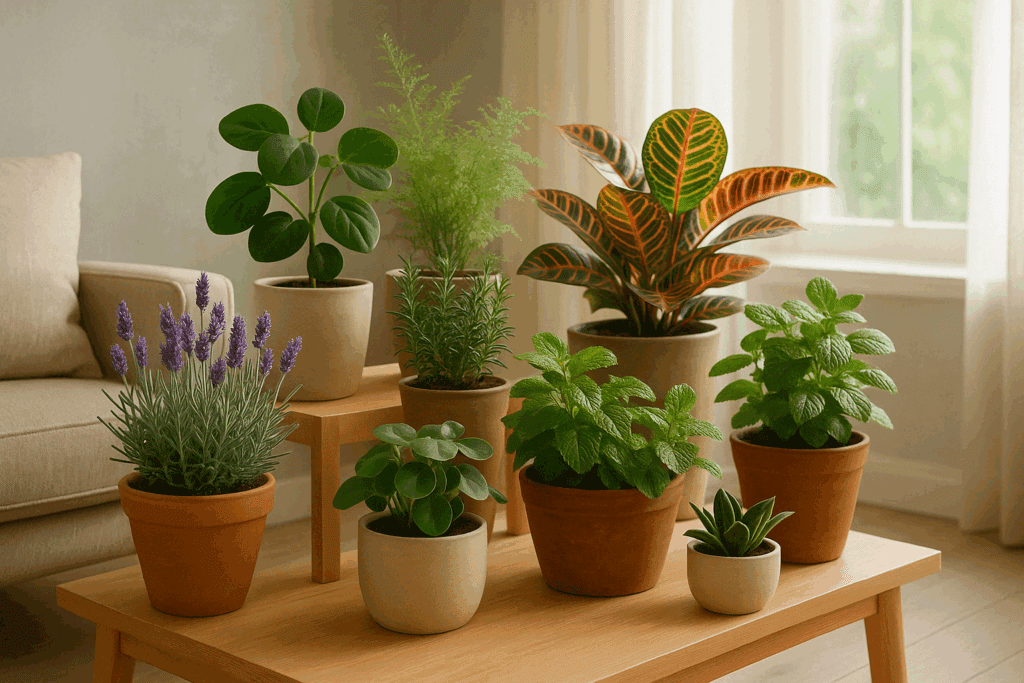
What if your indoor plant collection could do more than just look pretty? Imagine a space that invites touch, soothes through scent, and delights the eye with colors, textures, and movement. That’s the magic of a sensory indoor garden.
Sensory gardens are often associated with schools, therapeutic settings, or outdoor spaces. But their principles can be beautifully applied indoors, even in small apartments. By thoughtfully selecting and arranging plants, you can engage your senses daily and turn your living space into an immersive, calming, and invigorating environment.
In this guide, you’ll learn how to create a sensory indoor garden using touchable textures, fragrant foliage, and visual harmony, plus layout tips, plant suggestions, and styling ideas.
Table of Contents
- What Is a Sensory Indoor Garden?
- Benefits of Sensory Plant Spaces
- How to Choose Plants for Each Sense
- The Best Plants for Touch, Scent, and Sight
- Arranging Your Sensory Garden Indoors
- Ideal Spots in Your Home
- Caring for Multi-Sensory Plants
- Bonus Ideas: Sound and Taste
- Final Thoughts
1. What Is a Sensory Indoor Garden?
A sensory indoor garden is a space that incorporates plants and design elements that stimulate multiple senses — primarily touch, smell, and sight.
Unlike standard decorative plant setups, sensory gardens invite interaction: rubbing leaves between fingers, pausing to smell aromatic herbs, or simply enjoying the way light plays through textured foliage.
2. Benefits of Sensory Plant Spaces
- 🧠 Mental Wellness: Engaging multiple senses is calming, grounding, and can reduce anxiety.
- 👶 Child-Friendly: Ideal for children learning about nature or those with sensory processing needs.
- 👵 Therapeutic Value: Beneficial for elderly individuals or people with cognitive decline.
- 🧘 Mindful Living: Encourages slower, more intentional daily routines.
It’s also just… beautiful.
3. How to Choose Plants for Each Sense
👁️ Sight
Choose plants with bold colors, contrasting shapes, and movement. Think variegated leaves, flowering varieties, and trailing vines.
✋ Touch
Look for leaves with interesting textures — fuzzy, rubbery, feathery, or bumpy. Avoid spiky plants unless clearly marked.
👃 Smell
Prioritize aromatic foliage or blooms. Choose herbs, scented geraniums, or plants that release fragrance with gentle rubbing.
📝 Tip: Not every plant needs to serve all senses. Focus on variety across your setup.
4. The Best Plants for Touch, Scent, and Sight
🌱 Touch

Critical Observator offers expert tips and guides to make indoor plant care easy, enjoyable, and accessible.