
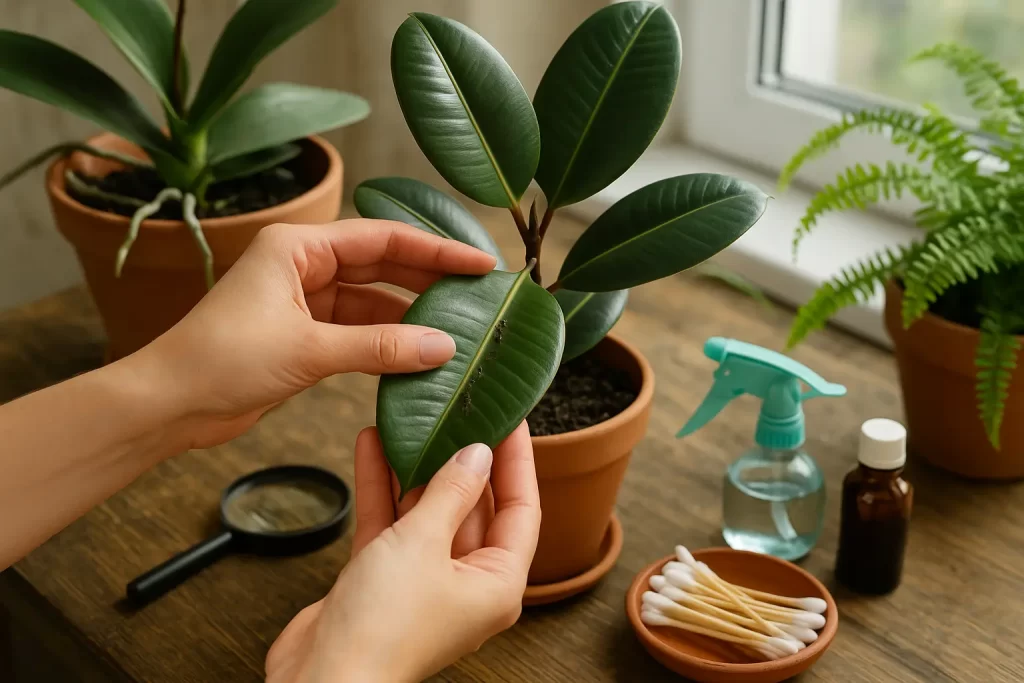
Note from the Author
As a lifelong indoor gardening enthusiast, I’ve learned that knowing how to choose the right plant for every room in your home can completely transform your space. It’s not just about decoration—it’s about matching each plant’s needs to the unique microclimate of every room. Over the years, I’ve experimented with hundreds of combinations. This guide distills what actually works.
Search Intent
How to choose the right plant for every room in your home—and make each space more beautiful, functional, and healthy.
Audience
This guide is for anyone looking to decorate their home with plants, especially beginners and intermediate plant lovers who want sustainable, room-by-room solutions.
Table of Contents
- Understanding Your Home’s Microclimates
- How to Choose the Right Plant for Every Room: Living Room Guide
- Kitchen: Practical Greenery
- Bedroom: Calm, Clean, and Restorative
- Bathroom: Humidity-Loving Plants
- Hallway and Entryway: Low-Light Survivors
- Home Office: Plants That Boost Productivity
- Pet Safety and Toxicity
- Common Mistakes to Avoid
- 30-Day Room-by-Room Plant Plan
- Mini-FAQ
- Useful Resources
- About the Author
Understanding Your Home’s Microclimates
Knowing how to choose the right plant for every room in your home begins with understanding the unique environmental factors of each space. Every home contains multiple microclimates, influenced by window direction, natural and artificial light, heating and cooling systems, and how frequently the room is used.
For example, south-facing windows tend to receive the most light, while north-facing rooms often remain dim throughout the day. Bathrooms are typically humid, while hallways can be dry and poorly lit. Bedrooms may remain cooler than kitchens. These differences matter.
Key Elements to Assess
Light is the number one factor when choosing plants. Some thrive in direct sunlight; others burn. Then comes humidity—high in kitchens and bathrooms, low in bedrooms and hallways. Consider temperature fluctuations and how much space is available.
By mapping these variables, you’ll avoid common pitfalls and dramatically improve your plant success rate.
How to Choose the Right Plant for Every Room: Living Room Guide
Your living room is often the central space of your home. It receives generous light and has more room for plants to breathe and grow. That makes it the perfect canvas for plants that make a statement. Knowing how to choose the right plant for every room in your home begins here.
Best Practices on How to Choose the Right Plant for Your Living Room
When styling your living room, go bold. Consider statement plants like:
- Fiddle Leaf Fig: Known for its dramatic leaves and upright growth, it loves bright, indirect light. Perfect for corners near windows.
- Monstera deliciosa: Its iconic leaves bring a tropical flair and flourish in filtered light.
- Rubber Plant: Elegant and easy to care for. Deep green leaves offer a modern look.
Rotate these plants regularly to avoid lopsided growth. Use elevated planters to enhance their presence and group them with complementary furniture.
Kitchen: Practical Greenery
Kitchens are dynamic spaces with fluctuating humidity, temperature, and light. That combination allows for a surprising variety of plants—both decorative and functional.
Knowing how to choose the right plant for every room in your home includes selecting plants that withstand heat and steam in the kitchen. You’ll also want plants that can sit on shelves or countertops without getting in the way.
Smart Kitchen Plant Choices
- Herbs: Basil, mint, and rosemary are aromatic, useful, and thrive near windows.
- Spider Plant: Great at handling humidity and resilient to temperature changes.
- Aloe Vera: Loves light and serves double-duty with its healing properties.
Use hanging baskets or magnetic wall planters to maximize space. And be careful not to place plants too close to heat sources. When you choose the right plant for your kitchen, it becomes a beautiful, functional ally in your daily routines.
Bedroom: Calm, Clean, and Restorative
Your bedroom is your retreat. It should foster calm and support healthy sleep. When thinking about how to choose the right plant for every room in your home, the bedroom calls for air-purifying, low-light options that don’t overwhelm.
Top Bedroom Plant Picks
- Snake Plant: Emits oxygen at night, making it ideal for rest.
- Lavender: Aromatic and soothing, promoting deeper sleep.
- Peace Lily: Gentle on the eyes and excellent at air purification.
Keep your bedroom setup minimal. Use light pots that complement bedding and avoid overwatering, which can create damp conditions not conducive to sleep.
Bathroom: Humidity-Loving Plants
Bathrooms are often underestimated, but they’re ideal for moisture-loving plants. If you’ve struggled to keep plants alive here, it’s likely because they weren’t suited for the humidity.
Best Bathroom Plants
- Boston Fern: Soaks up humidity and enjoys diffused light.
- Pothos: Incredibly hardy and thrives in low-light, high-moisture spaces.
- Orchids: A bit finicky, but their love of steam makes them perfect above sinks or tubs.
Use small pots or wall planters to avoid clutter. Just remember to keep these plants away from harsh air flows like those from bathroom fans.
Hallway and Entryway: Low-Light Survivors
Choosing the right plant for your hallway can be tricky. These areas typically lack consistent light and are prone to temperature changes. Knowing how to choose the right plant for every room in your home becomes essential here to avoid constant replacements.
Resilient Hallway Plants
- ZZ Plant: Almost impossible to kill and thrives in dim light.
- Cast Iron Plant: As tough as its name implies.
- Philodendron: Adaptable and fast-growing.
Use tall stands or corners for these plants, and consider a routine leaf cleaning schedule since hallways collect more dust. When you find the right plant for your hallway, it adds instant life and warmth to a typically overlooked space.
Home Office: Plants That Boost Productivity
Your workspace affects your productivity. Choosing the right plant for your home office can improve air quality and create a more peaceful atmosphere.
Best Office Plant Choices
- English Ivy: Excellent for purifying stale indoor air.
- Chinese Evergreen: Withstands neglect and adds a lush feel.
- Succulents: Perfect for desktops and low-maintenance.
Place plants within your line of sight to encourage mini mental breaks. Avoid scented plants that might distract from focused work. Knowing how to choose the right plant for every room in your home also means optimizing for your work energy.
Pet Safety and Toxicity
Not all plants are safe for pets. Learning how to choose the right plant for every room in your home must include awareness of toxicity.
Pet-Friendly Plants
- Spider Plant
- Areca Palm
- Calathea
Toxic Plants to Avoid
- Fiddle Leaf Fig
- Peace Lily
- English Ivy
For full details, check the ASPCA’s plant safety list.
Common Mistakes to Avoid
Even if you know how to choose the right plant for every room in your home, it’s easy to make these missteps:
- Same plant everywhere: Each room is unique.
- Overwatering: Especially in humid areas.
- Ignoring light conditions: Some rooms are simply too dark.
- Neglecting airflow: Poor ventilation can harm your plants.
- Not checking toxicity: Critical if you have pets or kids.
30-Day Room-by-Room Plant Plan
Break your plant strategy into four weeks:
Week 1: Audit lighting, humidity, and temperature in every room. Week 2: Choose plants suited to each room’s needs. Week 3: Style and arrange plants with intention. Week 4: Monitor growth and adapt your routine.
By the end of 30 days, you’ll know exactly how to choose the right plant for every room in your home—and your plants will thank you.
Mini-FAQ
Q1: Can I use grow lights instead of sunlight? Yes. LED grow lights work well for most indoor plants.
Q2: What’s the easiest plant for beginners? The ZZ Plant is one of the most forgiving options available.
Q3: Do plants really improve indoor air? Yes. NASA studies show several species reduce airborne toxins.
Q4: How often should I water? Typically once a week, but it varies by plant and room.
Q5: Can I place plants in windowless rooms? Yes—with the help of grow lights or reflective surfaces.
Q6: Are succulents good in humid rooms? No. They prefer dry, arid conditions and can rot.
Q7: What are signs of overwatering? Yellowing leaves, soft stems, and musty soil.
Useful Resources
- ASPCA Plant Toxicity List: https://www.aspca.org/pet-care/animal-poison-control/toxic-and-non-toxic-plants
- NASA Clean Air Study (Archived): https://ntrs.nasa.gov/citations/19930073077

Emily Parker is a plant enthusiast, writer, and editor at Critical Observator. Passionate about indoor greenery and its impact on wellness, she brings research-based guidance with a friendly touch to every post.