
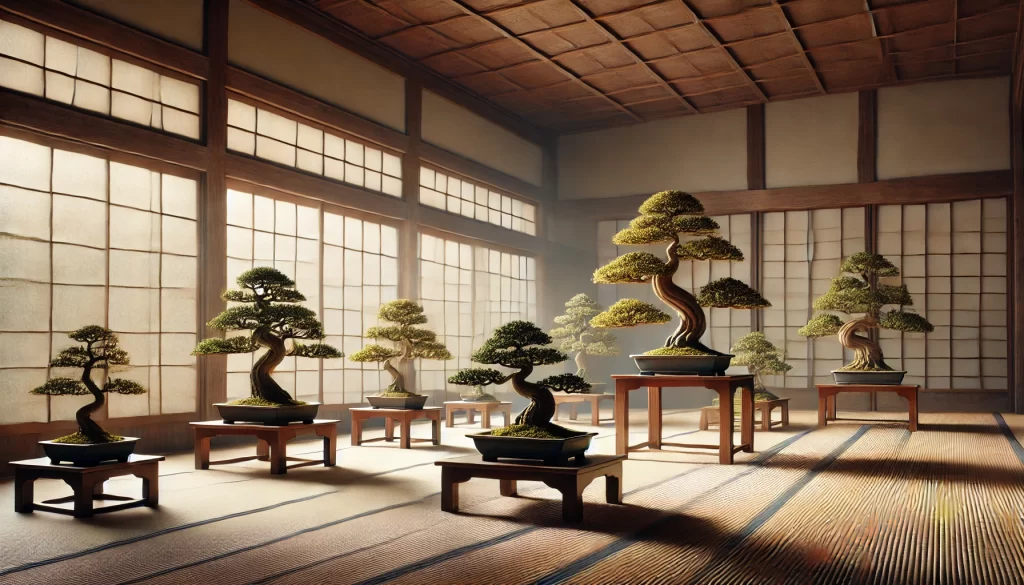
The bonsai tree is far more than a decorative plant. It’s a living piece of art, a philosophical practice, and a symbol that has transcended centuries and cultures. When we explore The Philosophy of Bonsai, we uncover layers of meaning—spiritual, historical, and emotional—that transform this miniature tree into a profound metaphor for life itself.
This in-depth article delves into the roots of bonsai culture, its influence across Asia and the West, and the symbolic language behind every branch and curve. Whether you’re a hobbyist or a curious learner, understanding the deeper context of bonsai will enrich your appreciation for this ancient art form.
🌱 Origins of Bonsai: From Ancient China to Modern Practice
The history of bonsai begins in China over 2,000 years ago, where it was known as penjing—the art of creating miniature landscapes. These early forms weren’t just trees; they were complete scenes intended to capture the spirit of nature.
Later, in the 12th century, Japanese monks brought the concept back to Japan, where it evolved into the refined art of bonsai (meaning “planted in a container”).
Bonsai was never just horticulture. It was a practice of discipline, patience, and reflection, reserved initially for the elite and scholars before becoming more widespread.
📜 Bonsai in Japanese Culture: Zen, Simplicity, and Harmony
Japan is where bonsai truly took root as a cultural icon. More than just aesthetic design, bonsai is deeply tied to Zen Buddhism. In Zen, nature is revered as a mirror of the self—and bonsai becomes a meditative tool.
Key Japanese cultural values represented by bonsai:
✅ Wabi-sabi – finding beauty in imperfection
✅ Ma – the importance of empty space and balance
✅ Shizen – naturalness and authenticity
Through bonsai, practitioners learn to embrace impermanence, accept limitations, and honor simplicity.
🌍 The Global Spread of Bonsai Culture
While bonsai is rooted in East Asian tradition, its influence has expanded globally. In the West, bonsai was introduced during international exhibitions in the 19th century and gained popularity after World War II, when American soldiers brought trees home from Japan.
Today, bonsai is celebrated worldwide, with communities in:
- 🇺🇸 United States: American Bonsai Society, National Bonsai Foundation
- 🇪🇺 Europe: Strong bonsai movements in Spain, Italy, and Germany
- 🇧🇷 Brazil: A growing bonsai community with annual exhibitions
Each culture adds its own touch, but the core principles remain: respect for nature, patience, and intentional living.
🌳 Bonsai as a Living Symbol
Bonsai trees are more than miniature plants. They embody powerful symbolic meanings, often tied to resilience, peace, discipline, and the cycle of life.
🔁 Symbol of Time and Patience
A bonsai tree can live for hundreds of years, passed from one generation to the next. Its slow, intentional growth is a testament to time and care.
🧘♂️ Symbol of Inner Peace and Balance
Maintaining a bonsai requires daily observation and mindfulness. For many, it’s a meditative act, promoting tranquility in a busy world.
💪 Symbol of Strength in Small Form
Despite its size, a bonsai is a full-grown tree with deep roots. It represents inner strength and perseverance, thriving in limited space.
🌿 Metaphor for Human Life
Every curve, scar, or twist tells a story—much like human experience. Bonsai trees often mirror their owners: shaped by care, challenges, and time.
📐 Bonsai as Art: Composition, Style, and Personal Expression
Creating a bonsai is an artistic journey. Every cut, curve, and wire placement is a creative choice. But unlike static art, bonsai is alive—and ever-evolving.
Artistic Elements in Bonsai:
- Form and Shape (Katachi) – Defined by traditional styles like informal upright, cascade, windswept, and more
- Balance and Proportion – Size of trunk vs. branches, canopy density, negative space
- Movement and Flow – Trees that seem to dance or resist the wind evoke emotion
Much like calligraphy or ikebana, bonsai is a form of creative expression with deep cultural roots.
📚 Philosophical Lessons from Bonsai
Caring for a bonsai offers more than aesthetic rewards. It teaches powerful life principles:
🔍 Observation
The tree changes with time, light, and season. You must learn to notice subtle shifts and respond with intention.
⏳ Patience
Growth takes years, not days. It mirrors life’s greatest achievements—slow, steady, and intentional.
✂️ Letting Go
To shape the tree, you must prune it. This process often involves removing beautiful parts to achieve greater harmony. A true life lesson.
💡 Imperfection Is Beauty
Not all trees are symmetrical or flawless. Their unique scars and bends are what make them special—a reminder to embrace your own story.
🌐 Bonsai and Sustainability: A Return to Nature
In a world of fast consumption and artificial surroundings, bonsai offers a return to simplicity and nature. It’s a sustainable hobby that promotes:
- Minimal resource use
- Long-term cultivation
- Respect for ecosystems
- Emotional connection to the natural world
This shift in mindset is especially valuable in urban environments, where bonsai becomes a personal oasis amid concrete and chaos.
🤔 FAQs About the Cultural Significance of Bonsai
Is bonsai a religious practice?
Not exactly, but it is often tied to spiritual traditions like Zen Buddhism, Taoism, and Shinto, where nature is central.
Why do people cry when trimming or losing a bonsai?
Because bonsai isn’t just a plant—it’s a symbol of growth, memory, and care. Losing one can feel deeply personal.
Is it disrespectful to grow bonsai without knowing its roots?
Not at all. But understanding its cultural and philosophical background will enrich your practice and deepen your connection.
What do bonsai trees symbolize in Japanese culture?
They often represent harmony, discipline, peace, and the deep connection between humans and nature.

Critical Observator offers expert tips and guides to make indoor plant care easy, enjoyable, and accessible.