
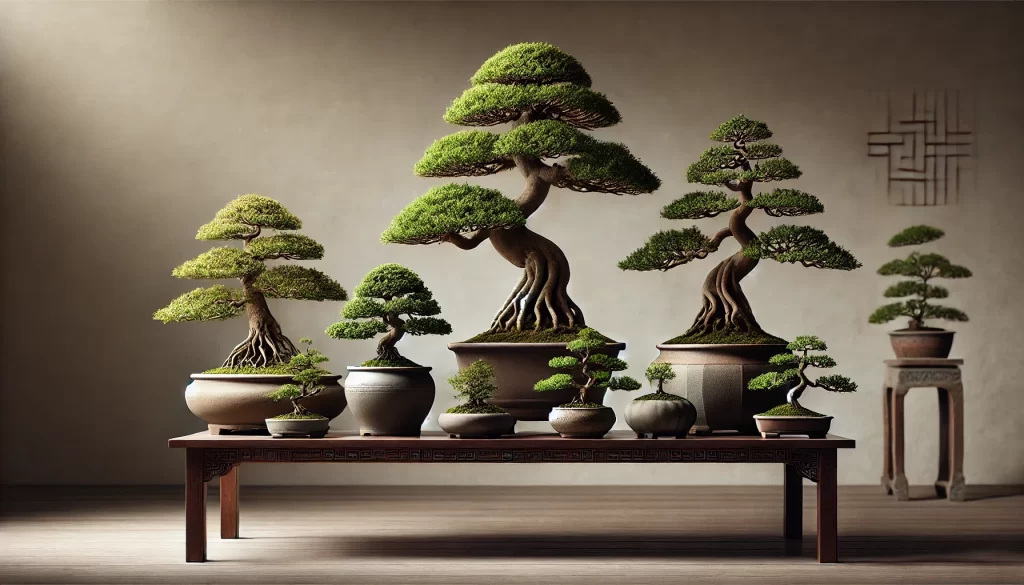
Selecting the correct container is just as important as choosing the tree itself. When you learn how to choose the right pot for your bonsai tree, you unlock the next level of bonsai care and artistry. A bonsai pot is more than a holder for soil—it’s a visual and functional extension of the tree’s identity.
In this in-depth guide, you’ll discover how pot selection impacts health, growth, and aesthetics. We’ll explore materials, styles, proportions, and drainage features so you can choose with confidence and purpose.
📐 Why the Bonsai Pot Matters
To an untrained eye, a pot may seem like a simple detail. However, in bonsai tradition, it’s considered an essential part of the tree’s composition. The wrong pot can unbalance your tree visually—or even damage its health.
Here’s why the pot is so important:
✅ Supports root health and water management
✅ Frames the tree artistically based on style and form
✅ Influences growth rate and maintenance needs
✅ Reflects balance and harmony in traditional bonsai presentation
🌿 Functional Considerations First
Before focusing on color and shape, you need to assess the functional needs of your bonsai.
📌 Drainage
The most important feature of any bonsai pot is good drainage. Without it, the roots can rot quickly. Always choose pots with:
- Two or more large drainage holes
- Mesh screens to prevent soil loss
- Optional side holes for additional airflow
📏 Depth
The depth of the pot affects how much water the soil can hold and how roots develop.
- Shallow pots: great for slow-growing or older trees
- Deeper pots: necessary for young, developing trees or species with strong root systems
🌡️ Climate
If you live in a hot, dry area, slightly deeper pots retain moisture longer. For humid climates, go with shallow pots to avoid root rot.
📐 Proportional Harmony: Sizing the Pot Correctly
A bonsai pot must be proportionate to the tree, not only for aesthetics but also for stability and health.
General rules:
- Pot length = roughly 2/3 the height of the tree
- Pot depth = equal to the diameter of the trunk at soil level
- For cascade-style bonsai, the pot must be taller than it is wide
⚠️ Too small = water stress and poor root development
⚠️ Too large = weak appearance and excess moisture
🧠 Pro Tip: Always measure your tree before buying a pot, and adjust for future growth.
🎨 Pot Shapes and Their Meanings
The shape of the pot affects how the tree is perceived. It should enhance the tree’s natural movement, not compete with it.
🟦 Rectangular and Oval Pots
- Best for upright or formal trees
- Represent stability and masculinity
🔵 Round and Drum Pots
- Suitable for informal or feminine styles
- Give a soft, harmonious feel
⬛ Square Pots
- Work well with strong trunks and minimal canopies
- Convey strength and order
🌀 Cascade Pots
- Deep and narrow
- Designed for trees growing downward or sideways
🧱 Material Options: Which One to Choose?
Not all pots are created equal. The material plays a role in insulation, weight, and root aeration.
🪴 Unglazed Clay (Tokoname-style)
✅ Breathable
✅ Classic for conifers
⚠️ Dries faster—more frequent watering
🏺 Glazed Ceramic
✅ Available in many colors
✅ Great for flowering or deciduous trees
⚠️ Less breathable
🪨 Stone or Concrete
✅ Heavy and stable
⚠️ Poor aeration and rare in traditional bonsai
🌿 Plastic (for training only)
✅ Inexpensive and lightweight
⚠️ Should not be used for display bonsai
💡 Best practice: Use plastic pots for young trees in development and switch to ceramic for final styling and display.
🎨 Color Theory in Bonsai Pot Selection
The pot’s color should complement the tree, not distract from it. This is where bonsai becomes a form of visual art.
Tips to follow:
- 🌲 Conifers → Use earthy tones like brown, gray, or unglazed clay
- 🍁 Deciduous trees → Match with muted greens, blues, or soft glazes
- 🌸 Flowering trees → Consider light or vibrant glazes that reflect the blossom color
✅ Use neutral tones for masculine trees
✅ Choose softer, glazed tones for feminine, delicate trees
🎋 Match the Pot to Bonsai Style
Each bonsai style has a corresponding pot type that enhances the visual story:
| Bonsai Style | Recommended Pot Shape | Notes |
|---|---|---|
| Formal Upright | Rectangular / Oval | Stable and balanced |
| Informal Upright | Oval / Round | Softer lines |
| Slanting | Rectangle / Drum | Needs visual grounding |
| Cascade | Deep, tall pot (cascade-style) | Allows downward movement |
| Literati | Round or free-form | Highlights minimalism |
✅ Choosing a Pot Based on Tree Gender
Yes, bonsai has gender—not biologically, but artistically.
Masculine trees = thick trunks, rough bark, angular branches
Feminine trees = smooth lines, slender branches, graceful flow
Pot selection should reflect and balance these traits:
- Masculine → unglazed, heavy, simple pots
- Feminine → glazed, delicate curves, lighter colors
🌳 How Often Should You Change the Pot?
Bonsai isn’t static. As the tree evolves, the pot may need to change.
📌 Training phase: Change every 1–2 years for root pruning and growth adjustment
📌 Display phase: Use the same pot for years—only change for aesthetics or root health
📌 Repotting signs: Roots circling the pot, poor drainage, slowed growth
❓ FAQs About Choosing the Right Bonsai Pot
What size pot does my bonsai need?
It depends on the height and trunk thickness. A general rule is 2/3 the tree’s height in pot length.
Can I use any decorative pot for bonsai?
Not really. Bonsai pots must have drainage and proper proportions for health and harmony.
What’s the best material for bonsai pots?
Unglazed clay is traditional for conifers. Glazed ceramics work well for deciduous and flowering species.
Should I choose the pot before or after styling the tree?
Always style the tree first. Then select the pot that enhances its final form.

Critical Observator offers expert tips and guides to make indoor plant care easy, enjoyable, and accessible.